Episode Transcript
[00:00:00] Skunk cannabis represents a significant family of marijuana strains known for their distinctive, pungent aroma and potent effects.
[00:00:11] Originating in the 1970s in Southern California, these strains were developed through careful hybridization of landrace varieties, including Colombian Gold, Acapulco Gold, and and Afghani Indica.
[00:00:27] The development aimed to create strains combining potency, aroma, and reliability.
[00:00:35] The creation of Skunk no. 1 marked a pivotal moment in cannabis breeding history.
[00:00:41] This hybrid combined the energizing effects of sativa strains with the relaxing properties of Indica varieties, resulting in a balanced experience that appealed to both recreational and medicinal users.
[00:00:57] Typically containing around 20% THC, skunk number one became renowned for its reliability, ease of cultivation, and distinct skunky aroma characterized by musky sweetness with hints of earthiness and spice.
[00:01:17] The influence of Skunk Number one genetics extends far beyond its original form.
[00:01:23] Its stable hybrid profile has made it a cornerstone in modern cannabis breeding programs valued for its potency, signature aroma, and versatility in cultivation methods.
[00:01:37] Several notable derivatives emerged from these genetics, each adding unique characteristics while preserving core traits.
[00:01:47] Super Skunk, created by crossing Skunk Number one with an Afghani hash plant, offers deeper physical relaxation and even more intense aromatics. The strain produces denser buds and stronger body highs while maintaining the classic skunk flavor profile.
[00:02:08] Skunk Kush introduces earthy undertones and sedative effects, making it popular among medicinal users for pain relief.
[00:02:20] White Skunk stands out for its frosty trichome coverage while maintaining robust skunky scents and balanced effects.
[00:02:30] Shiva Skunk, combining skunk genetics with Northern Lights Number five delivers an energetic yet relaxing high that sparks creativity while easing physical tension.
[00:02:44] This variant features deeper earthy tones mingled with pine and spicy notes.
[00:02:50] Identifying genuine Skunk cannabis requires attention to specific characteristics. The aroma should be unmistakably pungent, featuring musky sweetness with earthy undertones and hints of burnt rubber or garlic. This distinctive smell comes from a rich terpene profile dominated by myrcene, limonene and caryophylline. The pungency should linger on fingers after handling the buds.
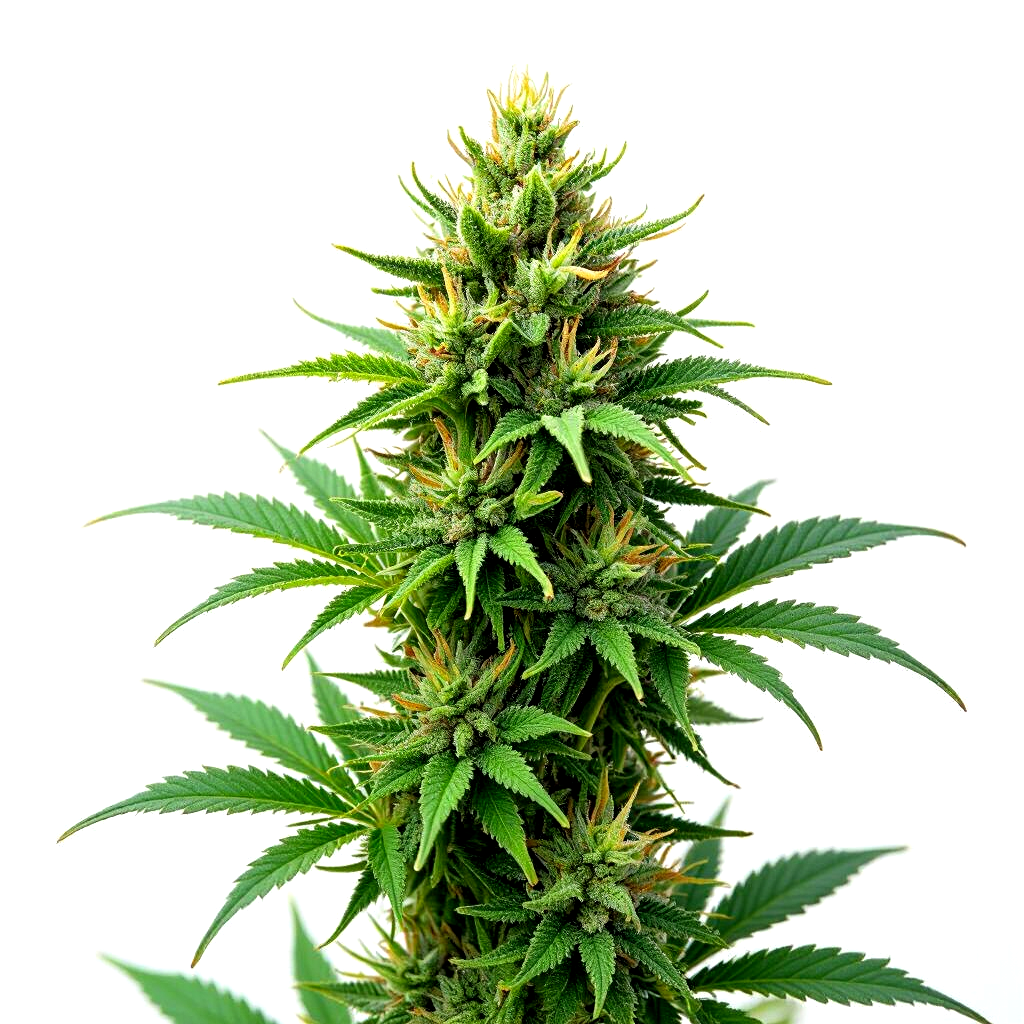
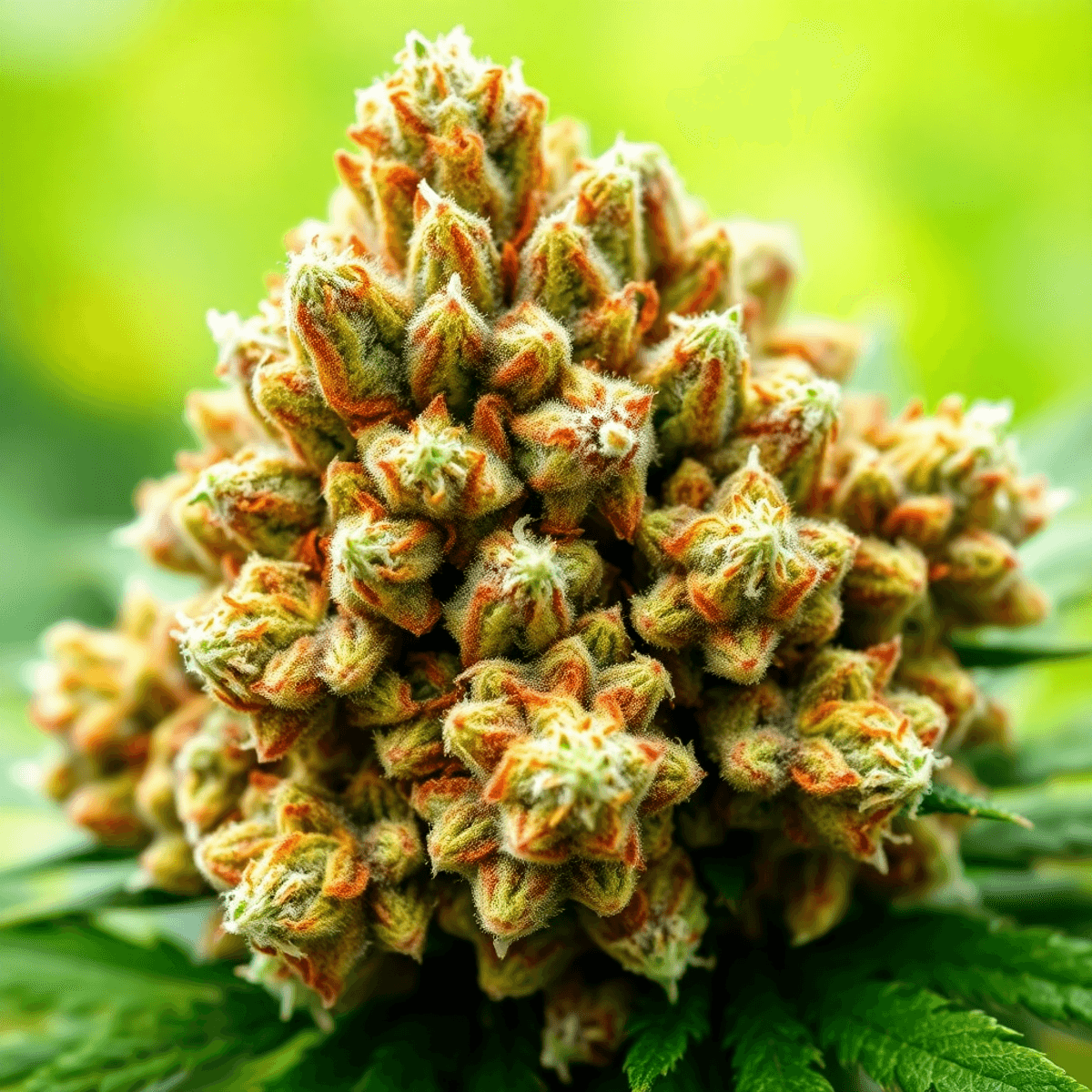
[00:03:23] Quality skunk strains typically display dense, chunky buds with visible trichomes indicating high cannabinoid content.
[00:03:33] Indica dominant derivatives like Super Skunk tend to have compact flower clusters with tight calyxes, while Classic Skunk Number one exhibits medium density buds with a slightly spongy feel.
[00:03:48] Lab testing should reveal THC levels between 18 and 22%, though some phenotypes may test Higher cultivation methods significantly impact final product quality.
[00:04:02] Indoor growing allows precise control over temperature, humidity, and lighting, often resulting in enhanced terpene profiles and consistent THC levels.
[00:04:14] This precision typically produces more pronounced skunky aromas and denser buds, though it requires more resources and expertise.
[00:04:24] Outdoor cultivation can produce larger yields and may benefit from natural soil nutrients and fresh air circulation.
[00:04:33] While outdoor terpene expression might be less intense compared to indoor grows, many outdoor skunks still deliver robust aromas and potent effects.
[00:04:45] This method proves more cost effective and suits high yield production for dispensary supply.
[00:04:53] The development of terpenes and THC concentration depends heavily on cultivation factors. Light intensity increases resin production, while proper nutrient balance maintains plant health without stressing cannabinoid synthesis. Harvest timing proves crucial for maximizing THC content while preserving terpene richness.
[00:05:20] Experienced growers adjust these variables to emphasize specific effects through terpene expression.
[00:05:28] Common misconceptions about skunk cannabis include confusion between specific strains and generic high THC products.
[00:05:37] The term skunk is sometimes misused to describe any potent cannabis, leading to misunderstandings about authentic skunk varieties.
[00:05:49] This broad usage blurs the line between carefully bred skunk strains and generic high THC products lacking standardized lineage.
[00:06:00] Some negative stereotypes associate skunk with overly strong or unpleasant cannabis, often based on experiences with low quality or poorly cultivated products.
[00:06:12] While the pungent aroma may initially seem off putting, it actually indicates rich terpene content, contributing to flavor complexity and therapeutic effects.
[00:06:25] Modern breeding techniques have increased THC levels across many cannabis types, not just skunks.
[00:06:33] Today's potent cannabis landscape results from decades of selective cultivation aimed at enhancing potency, flavor, and yield.
[00:06:43] Skunk strains maintain their distinctive traits while matching contemporary expectations for strength.
[00:06:51] When purchasing skunk cannabis, choosing reputable dispensaries ensures access to authentic strains with verified genetics and lab tested quality.
[00:07:03] Licensed sellers operate under strict regulations covering seed to sale tracking, mandatory testing, and safety standards.
[00:07:13] This system guarantees consumers receive exactly what's advertised.
[00:07:19] Lab testing provides crucial insights into THC levels, terpene profiles, and safety markers such as residual solvents or pesticides.
[00:07:30] Transparency in lab results allows consumers to verify potency claims and and ensure product safety.
[00:07:38] Access to certificates of analysis empowers buyers to make informed decisions based on scientific data rather than marketing claims.
[00:07:50] Understanding strain information helps buyers navigate the various gunk options available.
[00:07:56] Each strain offers unique combinations of effects ranging from the deeply relaxing to uplifting and creative.
[00:08:06] Detailed descriptions of genetic lineage, expected effects, and aroma profiles enable consumers to select strains aligned with their preferences or medicinal needs.
[00:08:21] The legacy of skunk cannabis continues to influence modern breeding programs, with its stable hybrid profile serving as a foundation for numerous contemporary strains.
[00:08:35] This influence extends to both recreational and medicinal applications, as skunk varieties offer reliable potency and consistent effects valued by diverse user groups.
[00:08:50] For optimal results, consumers should verify lab testing data, examine bud structure and density, and trust their nose when evaluating the characteristic skunk aroma.
[00:09:04] This combination of sensory assessment and scientific verification helps ensure a satisfying experience with genuine skunk cannabis varieties, whether for recreational enjoyment or therapeutic benefit.